NEON LANDER
A/D or ←/→ to rotate · W/↑/Space for thrust · Shift for precision
Left/Right to rotate · Bottom center for thrust
A/D or ←/→ to rotate · W/↑/Space for thrust · Shift for precision
Left/Right to rotate · Bottom center for thrust
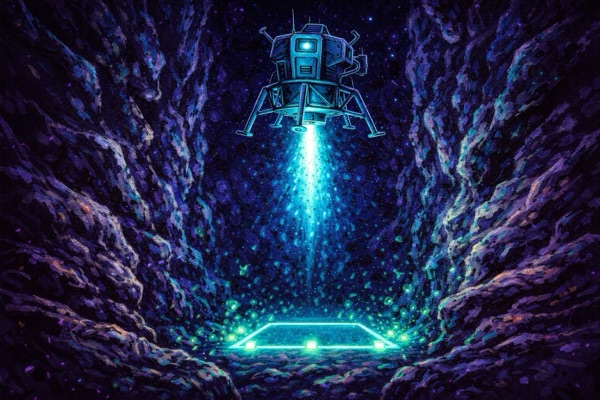
Neon Lander tests your piloting skills as you guide a spacecraft through caverns, past obstacles, and onto designated landing pads. Your ship has limited fuel and responds to realistic physics — thrust counteracts gravity, but too much speed means a crash landing. Navigate narrow passages, avoid stalactites, and manage your fuel gauge while searching for the perfect touchdown angle. Each level features more complex terrain and smaller landing zones. Bonus fuel canisters float in risky locations, tempting you to deviate from the safe path. The tension of nursing your fuel while fighting gravity makes every successful landing feel like a genuine achievement.
Gentle, short taps on the thruster conserve fuel better than holding it. Approach landing pads slowly — high speed kills even at the right angle. Keep your descent speed below the "safe" threshold shown on the HUD. Use horizontal thrusters sparingly; lateral drift is the most common cause of crashes. Plan your route through caverns before committing thrust — momentum is hard to reverse. Fuel canisters near dangerous terrain are usually traps for new players; only grab them if your route naturally passes nearby. The final approach should be purely vertical with zero horizontal velocity for the cleanest landing.
Neon Lander descends from Lunar Lander (1979), one of the earliest arcade games and a direct simulation of the Apollo moon landing. Atari's original used a throttle lever for thrust control, creating a tactile piloting experience. The game proved that physics-based gameplay could be compelling entertainment. Thrust (1986) expanded the concept with cavern navigation, which Neon Lander incorporates. The genre has modern descendants in Kerbal Space Program's landing sequences and PixelJunk Shooter. Fun fact: Lunar Lander was based on a 1969 text-based computer program that simulated moon landings right as NASA was actually performing them. Neon Lander continues this lineage of physics-respecting piloting challenges.